



Taiwan court denies Ko Wen-je’s bid to vote from detention
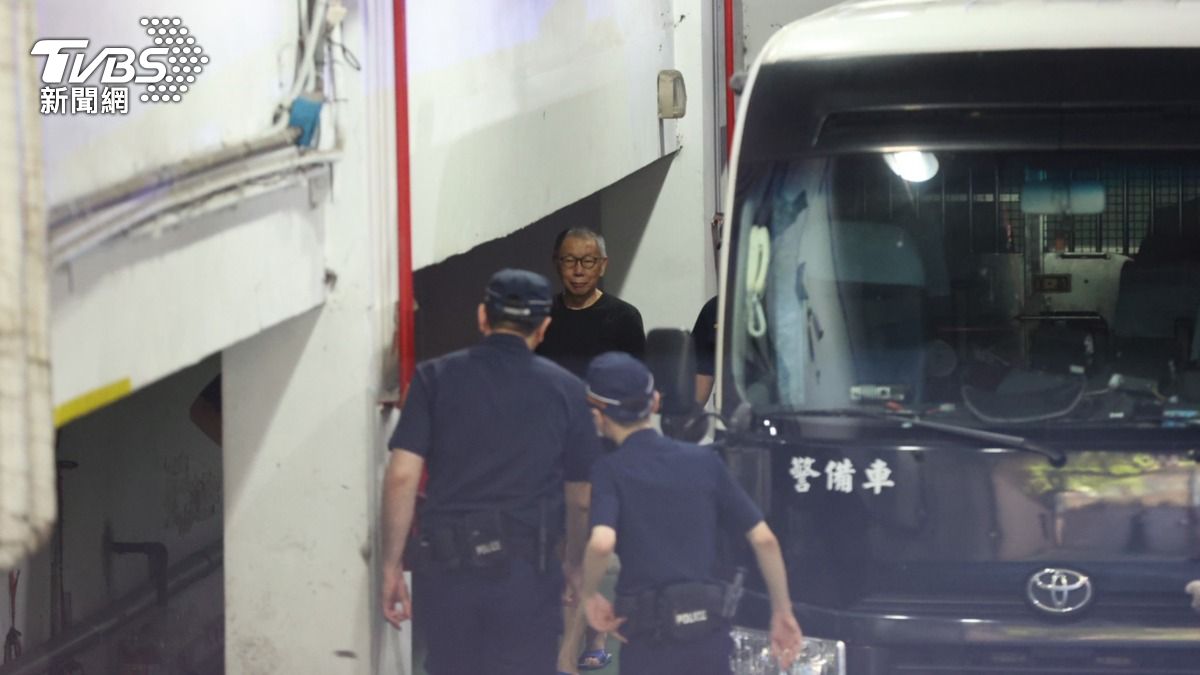
TAIPEI (TVBS News) — The Taipei High Administrative Court (台北高等行政法院) rejected Friday (July 25) a legal motion by former Taipei Mayor Ko Wen-je (柯文哲) seeking temporary relief to participate in Saturday's recall vote. Ko remains in detention on bribery charges related to the Core Pacific City (京華城) development case, with authorities denying his request to cast a ballot in the politically significant election. The court's decision effectively bars the prominent political figure from exercising his voting rights while facing corruption allegations.
Ko's defense attorney Hsiao Yi-hung (蕭奕弘) contended that constitutional electoral rights remain intact despite restrictions on personal freedom. Hsiao cited international precedents from the United States, France, and Canada, where detained individuals can exercise voting rights through supervised prison voting, mail-in ballots, or other accommodated methods. The legal argument emphasized the fundamental democratic principle that detention should not automatically disenfranchise citizens from participating in elections.
The Taipei Election Commission (台北市選委會), Taiwan's municipal election authority, stressed that absentee voting procedures require specific legislative authorization not currently in place. Commission officials clarified that Ko's voting rights have not been formally revoked by election authorities, who will issue standard voting notifications if he meets eligibility requirements. The bureaucratic response highlighted the complex intersection between detention policies and electoral participation rights in Taiwan's democratic system.
The Taipei Detention Center (台北看守所), Taiwan's pre-trial detention facility, raised constitutional concerns about supervised voting arrangements while citing inadequate staffing resources for such operations. Detention officials deferred responsibility for establishing special voting facilities to judicial authorities and the election commission, effectively passing the decision to higher authorities. The institutional response reflected broader uncertainties about balancing security protocols with democratic participation rights for detained individuals.
The Taipei High Administrative Court acknowledged Ko's right to appeal while determining no legal foundation existed for his voting request. The Taipei District Court (台北地方法院), Taiwan's trial-level court, extended Ko's detention Monday (July 21) for an additional two months beginning Aug. 2, citing substantial risks of evidence destruction or witness intimidation. The judicial decisions reflect ongoing concerns about Ko's potential influence on the corruption investigation while maintaining Taiwan's legal procedural standards. ◼