


Exchange rate tops concerns for Taiwan manufacturers
TAIPEI (TVBS News) — The Chung-Hua Institution for Economic Research (CIER, 中經院) released its "2025 First Half Taiwan Purchasing Managers' Outlook Survey"(2025上半年台灣採購經理人營運展望調查) on Friday (July 25), revealing that exchange rate fluctuations have become the top concern for Taiwan's manufacturing sector, with a selection rate of 73.9%. The survey also highlighted the influence of U.S. President Trump's policy directions on the industry.
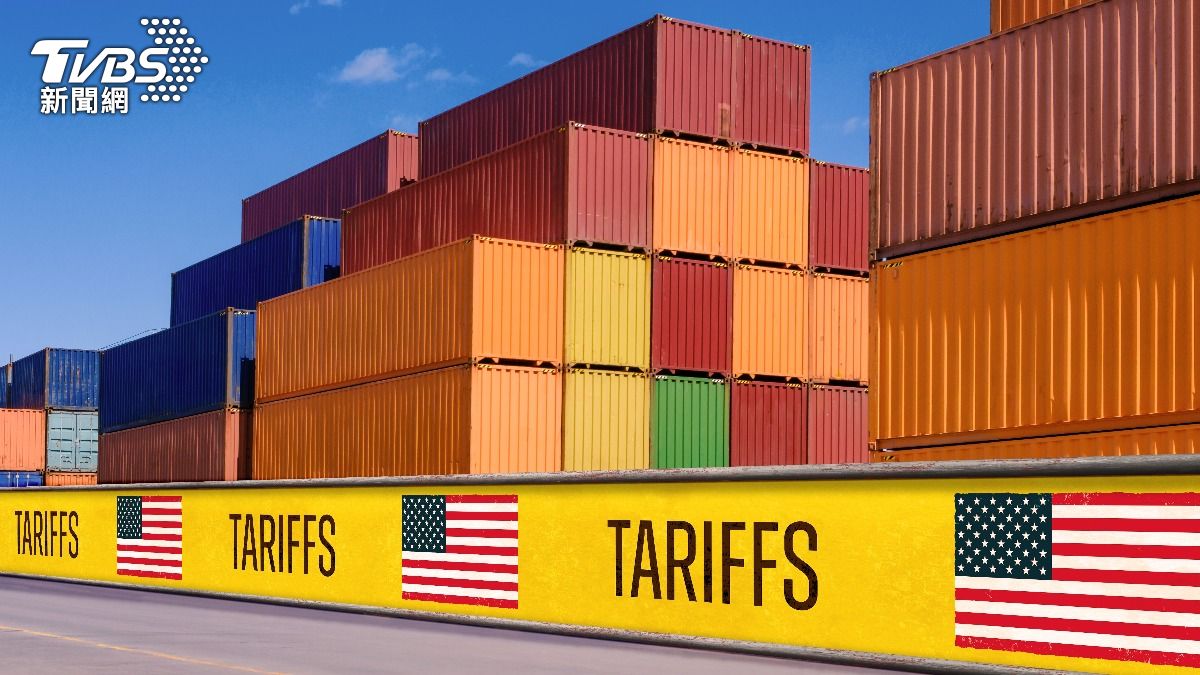
Taiwan's manufacturing managers have ranked U.S. President Trump's trade policy and the U.S. economy among their top five concerns, with respective selection rates of 73% and 49%. Other issues include international energy and raw material prices at 47.3% and U.S. interest rate and monetary policies at 42.7%. Notably, sustainable development topics like ESG, carbon neutrality, and net-zero carbon emissions have dropped to tenth place, garnering only 21.6% interest.
In the non-manufacturing sector, exchange rate fluctuations and Trump's trade policy lead the concerns, with selection rates of 62% and 60%. Attention to the U.S. economy and interest rate policies has risen to 44.5% and 39.6%, respectively. The survey shows that 58.1% of manufacturers report revenue impacts from tariffs and protectionism, while 62.2% note effects on orders, operations, and plant strategies.
Regarding reciprocal tariffs, 64.7% of manufacturers and 60% of non-manufacturers remain watchful of U.S. policy changes. Among manufacturers, 67.2% have adopted measures like discussing tariff-sharing with clients and delaying major decisions. Top strategies include client discussions on tariff-sharing mechanisms at 43.2%, increasing market share outside the U.S. at 40.1%, and policy observation at 39.5%.