



Taiwan central bank defends market-driven exchange rates
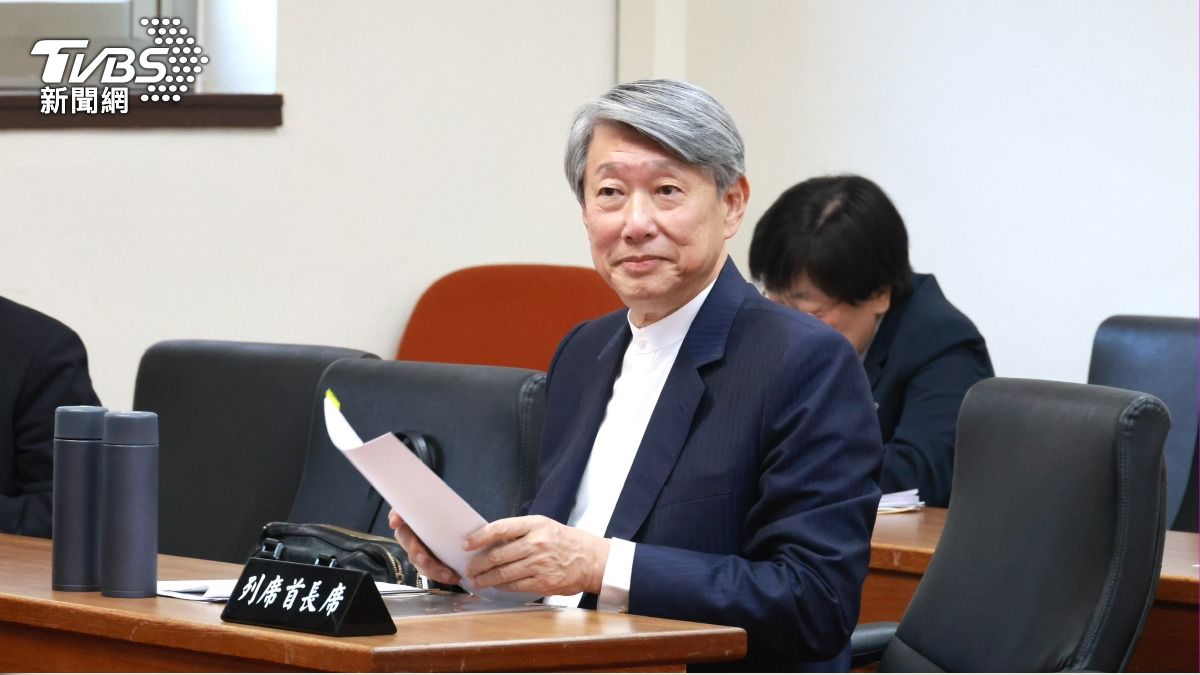
TAIPEI (TVBS News) — Taiwan's central bank pushed back Thursday (Aug. 21) against Economic Affairs Minister J.W. Kuo's (郭智輝) call for currency intervention, sparking tensions over exchange rate policy as the Taiwan dollar strengthens. Kuo told Taiwan's parliament's Economic Committee (經濟委員會) that officials should maintain the average exchange rate at 31 Taiwan dollars per U.S. dollar. The minister's remarks targeted a rate level that has remained relatively stable over six years of economic turbulence.
Taiwan's central bank fired back, declaring that currency values depend on market forces rather than government intervention targets. Bank officials dismissed Kuo's position as merely echoing industry concerns rather than reflecting official monetary policy. The central bank maintained its commitment to intervene only when irregular seasonal factors or market disruptions threaten exchange rate stability.
Kuo, who holds a central bank board position, announced plans to confront the bank governor directly about exchange rate concerns. The minister predicted tariff disputes would reach resolution within three months of intensive negotiations. Central bank data revealed the U.S. dollar index plummeted 9.42% this year while Taiwan's currency gained 8.16%, trailing the Swiss franc, euro, and Mexican peso in appreciation rates.
Japan's yen strengthened 5.83% against the dollar while South Korea's won gained 5.29% during the same period. Taiwan's currency outpaced both regional rivals by 2.33 and 2.87 percentage points respectively in appreciation momentum. The central bank highlighted Taiwan's relative exchange rate stability compared to major global currencies and vowed to preserve dynamic equilibrium. ◼