



Farmers urged to switch crops amid cabbage surplus fears
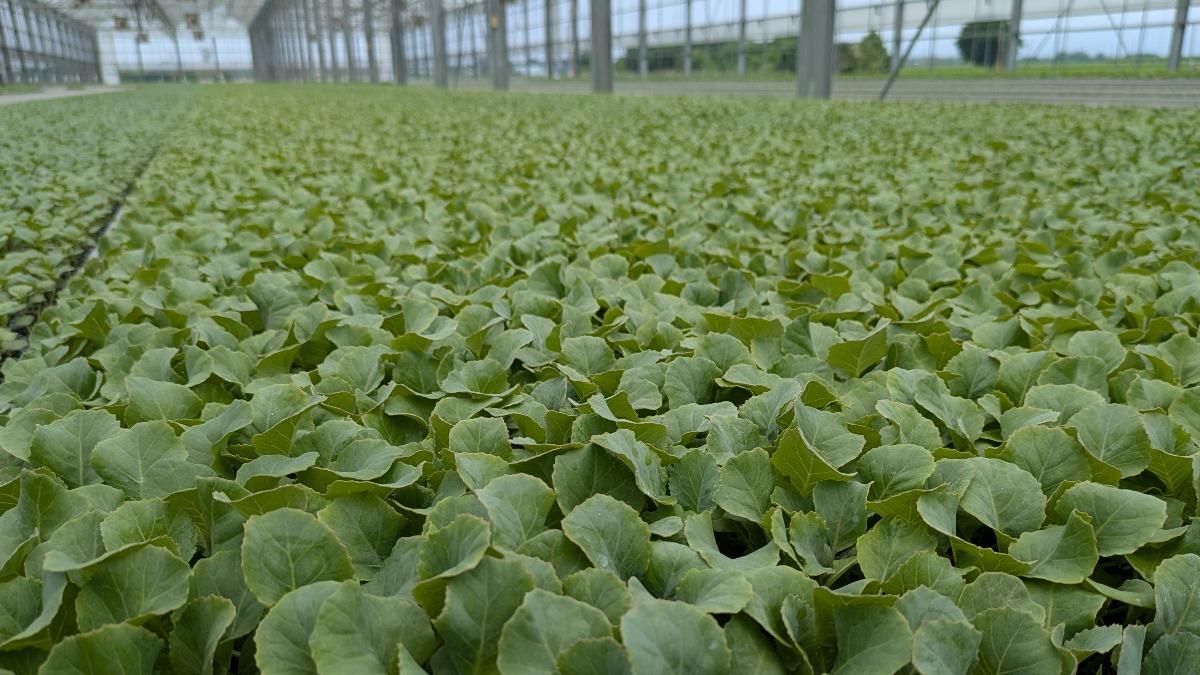
TAIPEI (TVBS News) — Taiwan's Agriculture and Food Agency (農糧署), part of the Ministry of Agriculture (農業部), issued urgent warnings Tuesday (Oct. 7) as cabbage planting reached critical overproduction levels for four consecutive 10-day periods. The government agency urged farmers across Taiwan to immediately stagger their planting schedules or switch to alternative crops to prevent devastating market oversupply and potential financial losses threatening agricultural stability.
Cabbage seedlings supplied in late September reached 5,871,800, representing a 9% increase over the three-year average for the same period according to government data. The figures reveal concentrated planting activities with unusually high volumes approaching dangerous overproduction levels that threaten market stability. Standard cabbage density requires approximately 30,000 seedlings per hectare, with official warning thresholds established between 5.4 million and 6 million seedlings, while exceeding 6 million signals critical overplanting conditions.
Heavy rains on July 28 preceded stable weather conditions that prompted farmers across Taiwan's high-altitude and flatland regions to intensify vegetable planting activities. Cabbage planting levels have consistently reached warning thresholds since late August as a direct result of these favorable growing conditions. The Agriculture and Food Agency employs sophisticated professional seedling supply data, advanced remote sensing technology, and comprehensive climate information to monitor planting conditions, updating its official website every 10 days.
The warning system employs four color-coded signals: green, yellow, red, and purple for monitoring agricultural production levels. Red signals indicate planting has reached the upper limit of reasonable market demand, while purple signifies severe overplanting conditions. Cabbage production occurs primarily in high-altitude areas including Yilan, Nantou, and Taichung from April to October, shifting to flatland regions like Yunlin, Changhua, Chiayi, and Tainan from November to March.
Warm autumns in recent years have significantly extended production periods in Taiwan's high-altitude agricultural areas, creating problematic overlaps with traditional flatland harvesting seasons. This temporal overlap dramatically increases risks of production and sales imbalances that threaten overall market stability across Taiwan's agricultural sector. Farmers now face critical strategic decisions to adjust their planting schedules or explore alternative crops to stabilize markets and prevent devastating financial losses. ◼