



Ancient Lunar New Year rituals persist in modern-day Taiwan
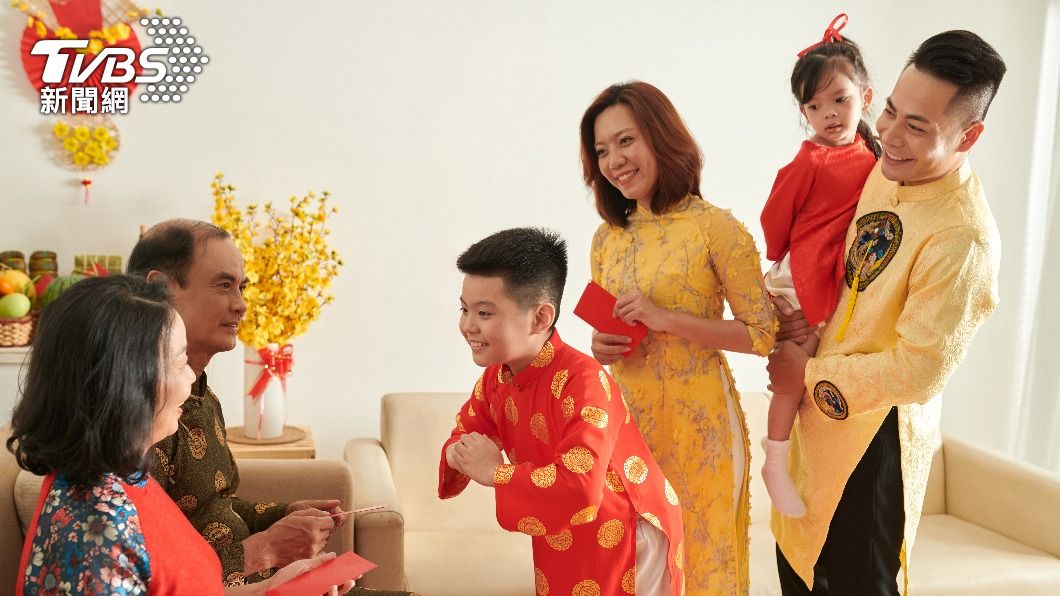
TAIPEI (TVBS News) — Taiwanese families marked the third day of the Lunar New Year on Thursday (Feb. 19), observing traditions including the "day of the rat wedding" (老鼠娶親) that encourage rest and avoiding disputes. The holiday begins with honoring ancestors and gathering for family meals on the first day, and with visiting the wife's family on the second. These customs of the Lunar New Year calendar continue to reflect deep-rooted cultural beliefs across Taiwan.
The third day encourages people to go to bed early and rise late. Folklore holds that this day marks a celebration for mice, and people avoid disturbing them to ensure a prosperous year. Sprinkling rice and salt in home corners symbolizes sharing the joy of the Lunar New Year with the rodents. Tradition also warns against paying Lunar New Year visits on this day, as it marks when the god of anger emerges, potentially causing disputes among people.
Families will welcome back deities on the fourth day, Thursday (Feb. 20), marking a significant moment in the Lunar New Year celebrations. This day involves the belief that deities return to heaven to report on the past year's activities to their celestial superiors. Welcoming ceremonies typically occur in the afternoon, allowing deities a brief rest before resuming their duties. Families conduct rituals, such as lighting peace lamps, to ensure a smooth year ahead.
The fifth day, Friday (Feb. 21), signifies the end of the Spring Festival and the beginning of work for many Taiwanese. People honor the God of Wealth and wish for a prosperous business year. Clearing accumulated garbage represents casting away the old and embracing the new. Although the festival traditionally concludes on the Lantern Festival, Monday (March 3), the fifth day marks a return to daily routines for many.
These traditions, though rooted in ancient agrarian society, remain a significant reminder of cultural heritage. Traditional customs dictate specific activities and taboos for each day, but modern lifestyles have evolved, blending old practices with contemporary flexibility. Taiwanese continue to honor these traditions, adapting them to fit their lives while maintaining respect and gratitude for past blessings and future protection. ◼