



Mahjong remains a Lunar New Year favorite in Taiwan
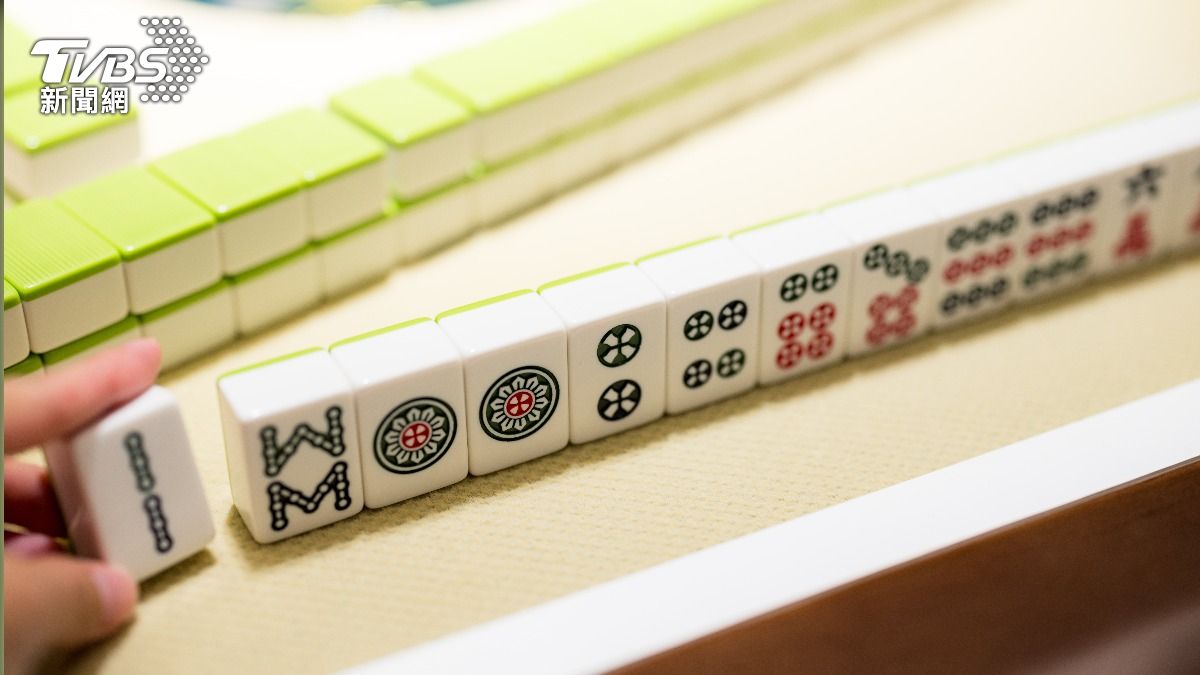
TAIPEI (TVBS News) — Mahjong (麻將) remains a beloved Lunar New Year tradition in Taiwan, with families gathering around tile tables as the holiday continues across the island. The game, originating in the late Qing Dynasty (清朝), symbolizes new hopes for the year ahead and reflects deep cultural values. Four players compete to assemble high-scoring tile combinations while preventing opponents from winning.
The game's design carries significant symbolism reflecting traditional Chinese values. Tiles called "Tong" (筒) represent copper coins, "Tiao" (條) symbolize strings that once threaded coins, and "Wan" (萬) signifies a desire for wealth. Additional tiles like "Fa" (發) indicate prosperity, while "Zhong" (中) and "Bai" (白) represent scholarly success and integrity. The four winds — East, West, South, and North — symbolize individuals working away from home to provide better lives for their families.
A standard Mahjong set contains 144 tiles, with each player starting with 16 tiles. Players draw one tile and discard one during each turn, keeping 16 tiles in hand at all times. Winning requires forming a complete hand meeting specific combinations. The standard winning hand consists of four sets of three tiles — either three consecutive tiles of the same suit or three identical tiles — plus one pair of identical tiles.
Players follow specific superstitions to maintain good fortune during Lunar New Year games. Patting someone's back during play is avoided because the Taiwanese believe it scatters luck. Comfortable chairs with backrests prevent fatigue and symbolize stability, while chairs against walls are considered especially auspicious. Players refrain from swearing, as profanity could disrupt their luck and energy.
Traditional beliefs advise against playing after a haircut, bath, or nail trimming, as these actions are thought to cut away luck. Lending money during a game is discouraged because it might transfer one's fortune to others. Players often use new bills to enhance the festive atmosphere and avoid breaking taboos. Feng shui (風水), an ancient Chinese practice emphasizing connections between luck and physical locations, influences seating arrangements, with players avoiding seats facing doors or open areas to maintain prosperity.
Mahjong's intricate design and rules offer more than entertainment for Taiwanese families. The game embodies cultural values and attitudes toward life and relationships. As the Lunar New Year continues, many Taiwanese gather around mahjong tables, hoping the tiles bring them good fortune and success in the year ahead. ◼