



TSMC localization drive boosts Taiwan chip materials
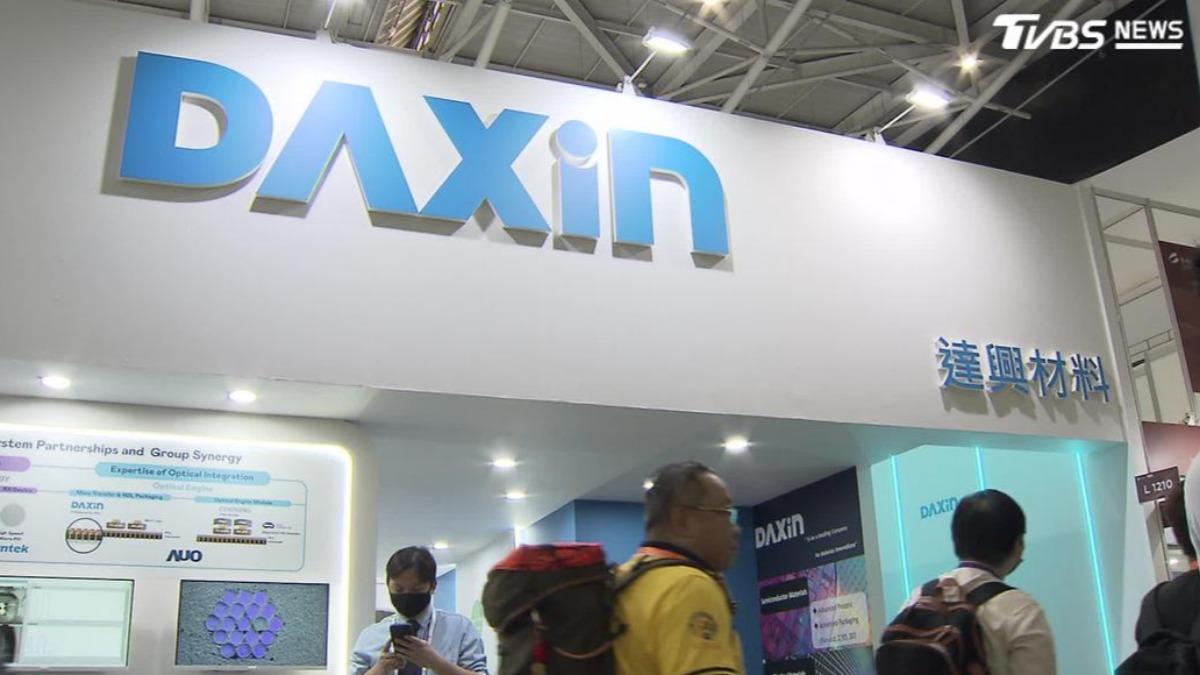
TAIPEI (TVBS News) — TSMC (台積電) announced on Thursday (Sept. 4) a push to localize its supply chain has expanded Taiwan-based production of key semiconductor materials, with industry executives saying the island can now source most critical materials domestically. The shift comes as surging AI demand tightens global supplies and raises demand for specialty chemicals used in advanced chipmaking.
Those materials are among the key topics at this year's SEMICON Taiwan. Wah Lee Industrial Corp. (華立集團) Vice President Yang Cheng-ju (楊政儒) said chipmaking processes that once required about 100 steps can now involve more than 1,000, increasing the need for highly precise chemical materials.
TSMC Pushes Supply Chain Localization
Yang said high-end semiconductor materials had previously been supplied largely by foreign vendors, but the AI boom has intensified global competition for key raw materials. Yang said expanding production in the United States, Germany, Japan and mainland China has tightened supplies of some critical materials. He said TSMC's requirement that suppliers manufacture in Taiwan has helped make most critical raw materials available from domestic sources.
Chen Tsu-hua (陳祖華), head of finance at PentaPro Materials Inc. (宇川精材), said international materials companies were once the main suppliers, but customers have increasingly adopted shorter supply chains and localization strategies, creating more opportunities for domestic materials and equipment makers.
With material supply risks easing, heat dissipation has emerged as another challenge. Traditional fans can no longer handle the extreme heat generated by high-performance AI chips.
Yang Chin-wei (楊晉瑋), a sales specialist at Taiwan Daikin Advanced Chemicals, Inc. (台灣大金先端化學), said air cooling and some conventional liquid-cooling approaches face practical limits as server power densities rise, increasing interest in immersion cooling systems that use electrically insulating fluorinated fluids. He said the fluids can come into direct contact with motherboards, CPUs and GPUs without causing short circuits or damage.