



Taiwan to put nuclear power question to voters Nov. 28
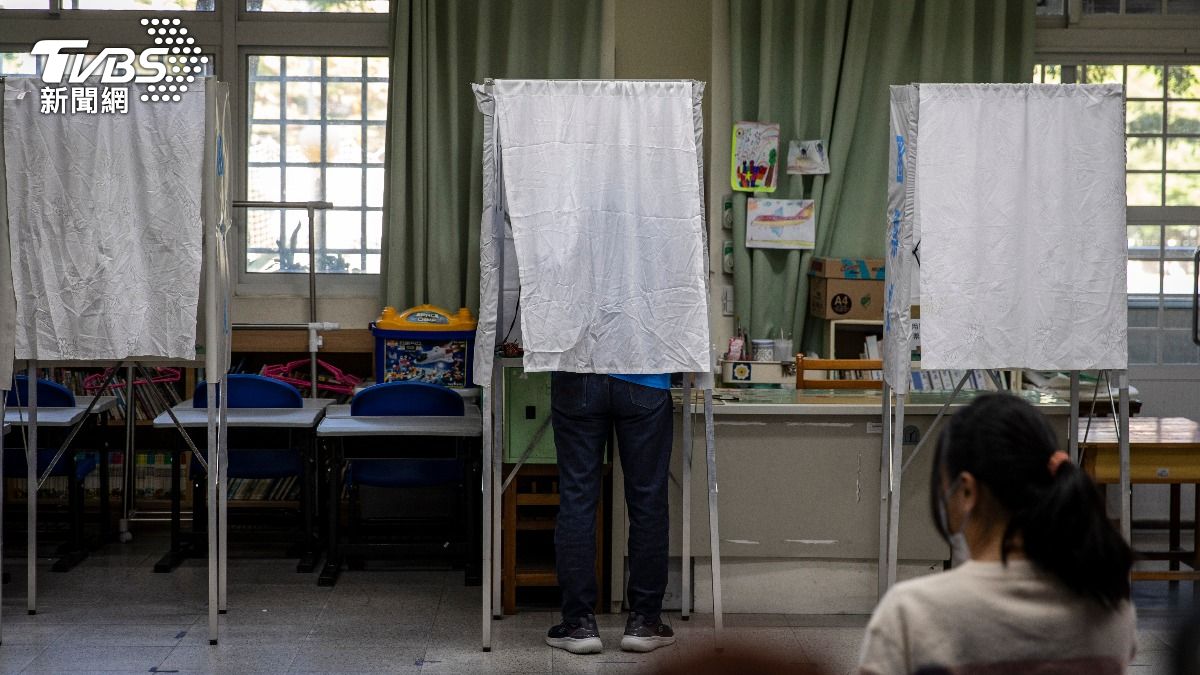
TAIPEI (TVBS News) — Taiwan's Central Election Commission (CEC, 中央選舉委員會) has confirmed that a referendum on abolishing the "nuclear-free homeland" policy will appear on the Nov. 28 ballot as Proposition 22, giving voters a direct say on the island's energy future alongside nine-in-one local elections.
Here is what voters need to know.
The ballot measure will ask: "Do you support the government using nuclear power to revitalize the economy, thereby abolishing the 'nuclear-free homeland' energy policy?" (你是否支持政府使用『核電』振興經濟,以廢除『非核家園』的能源政策?)
The commission voted 6-0 with one abstention on Aug. 28 to certify the referendum as a "creation or reconsideration of major policy" under the Referendum Act (公民投票法). Commissioner Chen Yueh-tuan (陳月端) abstained. Two other legislature-proposed referendums, on caning and earmarking traffic fines, were rejected as not meeting the threshold.
"We adopted thorough transparency by publicly disclosing how each commissioner voted, a first in CEC history," CEC Chairman Michael You (游盈隆) told reporters on Monday (Sept. 7). "We are accountable to history, to the nation, to society, and to our own conscience."
Key dates for the elections of mayors, county magistrates, councilors, and village chiefs: voter rolls will be completed by Nov. 8. The eligible voter count will be announced by Nov. 24, with voting on Nov. 28 from 8 a.m. to 4 p.m. Results will be certified by Dec. 4.
The opposition Kuomintang (KMT, 國民黨), which initiated the referendum through the legislature, has framed the vote around energy security and economic competitiveness. Its campaign slogan — "Energy is national security, computing power is national strength, fight for energy for AI, vote yes for development" — ties nuclear power to Taiwan's semiconductor and AI ambitions.
KMT Chairwoman Cheng Li-wun (鄭麗文) has argued that the ruling Democratic Progressive Party's (DPP, 民進黨) policy has left Taiwan "highly dependent on imported natural gas," putting national energy security at risk. The party plans 100 campaign events combining referendum advocacy with local candidate rallies.
The DPP has criticized the referendum as an attempt to "manipulate populist sentiment." Party spokesman Justin Wu (吳崢) said the opposition is "shirking its legislative responsibilities, passing referendums on issues that it could use its legislative majority to pass into law."
The referendum would reverse the DPP's longstanding commitment to phase out nuclear power. If approved, the measure would signal public support for that reversal, though implementation details remain unclear.
"The review followed a triple-check standard," You said, referring to the commission's assessment under three provisions of the Referendum Act. "We acted in an open and aboveboard manner, administering the law with transparency."
Holding the referendum alongside local elections is expected to cost an additional NT$1.4 billion (US$44.2 million), according to You. ◼ (At time of reporting, US$1 equals approximately NT$31.69)