


Taiwan’s AI supply shortfall could last until 2029, SEMI says
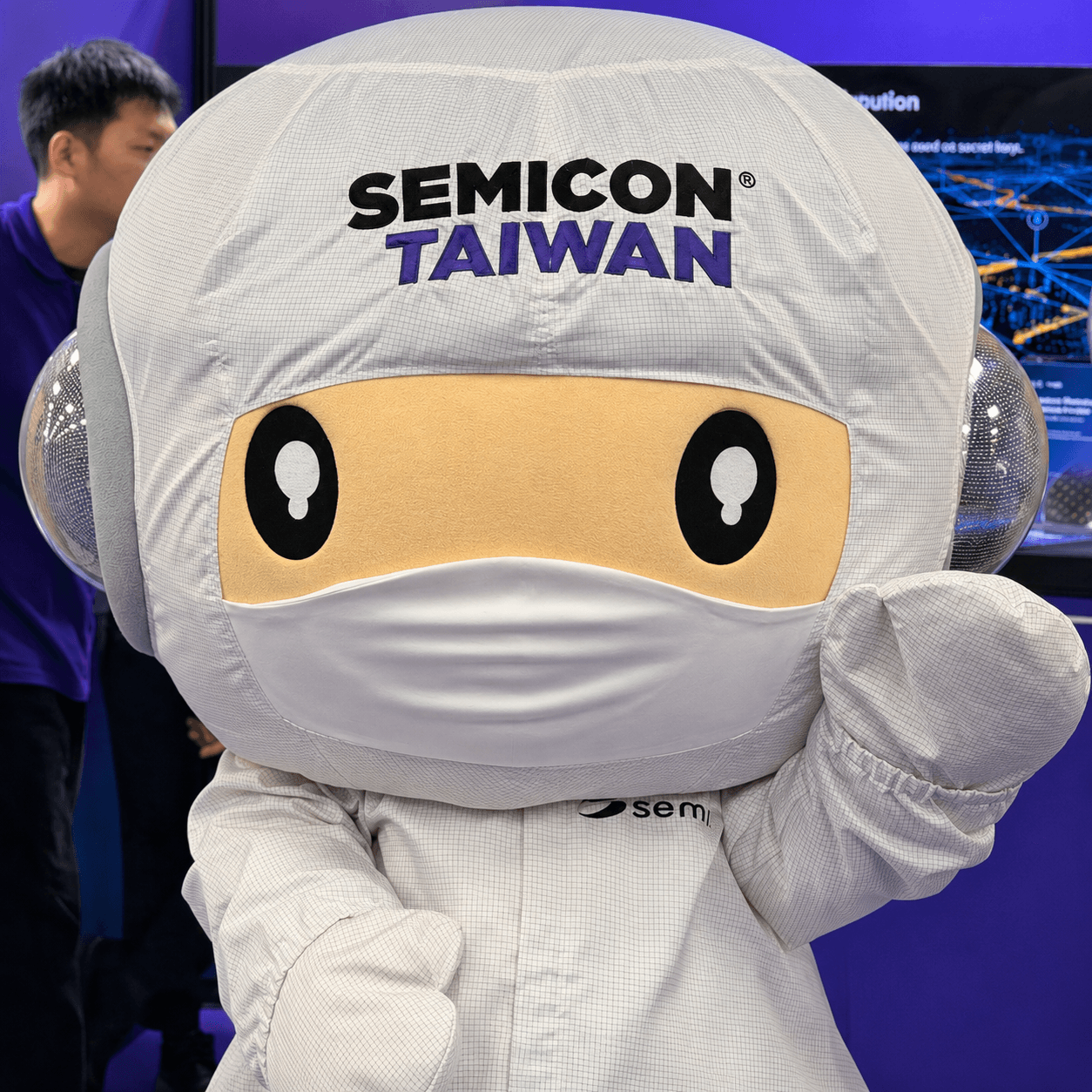
Taiwan’s AI server and semiconductor supply chains could remain unable to meet demand through 2028 and possibly 2029, according to SEMI Taiwan president Terry Tsao. His assessment points to a prolonged manufacturing expansion, even as recent stock-market turbulence raises questions about the durability of AI spending.
Speaking after a government meeting with industry and financial executives on November 23, Tsao said SEMI’s discussions with major cloud service providers and research organizations had revealed no short-term downward revisions to their AI outlooks. He also argued that political changes following the US midterm elections were unlikely to interrupt investment, because countries competing for AI leadership would be reluctant to delay their own development.
His confidence rests partly on demand spreading beyond the companies building AI models. Tsao pointed to growing adoption in healthcare, semiconductor design, and manufacturing. Taiwan’s combination of advanced chip production, packaging and server manufacturing, he said, remained difficult to replace.
SEMI’s broader forecasts support expectations of sustained growth. In October, the association projected an 11.8% increase in global silicon wafer shipments for 2026, followed by successive records through 2029. Demand includes the wafers used for advanced processors, high-bandwidth memory, conventional server memory, and enterprise flash storage, giving materials suppliers several sources of growth within the same infrastructure buildout.
The manufacturing challenge extends well beyond producing more processors. An AI server requires memory, advanced packaging, substrates, circuit boards, testing, power supplies, and cooling equipment, and a finished system only ships when every one of these parts is available. More powerful racks also require suppliers to qualify new designs while expanding production.
That helps explain why strong demand can persist alongside supply constraints. New factories take years to construct and equip, and customers must approve production processes before shipments can begin. Suppliers are consequently making investment decisions against demand forecasts stretching several product generations ahead.
For Taiwan, Tsao’s outlook supports continued expansion across the manufacturing network. It also places greater importance on coordinating that investment. Chip capacity, packaging lines, testing equipment, and server production must become available together.
The stock market is asking whether AI spending will last. Taiwan’s manufacturers are working to a longer clock, committing capital now to factories that will serve product generations several years away, on the strength of forecasts their cloud customers have yet to trim. If Tsao is right, the limit on Taiwan’s AI shipments through 2029 will be how quickly its factories can be built, and the measure of its supply chain will be whether every link grows at the same pace.